Feb 11, 2026
What to Do During a Medical Emergency in the USA
Step-by-step guide on what visitors should do during a medical emergency in the USA.

Travel is meant to create lifelong memories — not medical emergencies or financial nightmares. But for 58-year-old Collette Robinson, a holiday in Morocco became a frightening ordeal involving a life-threatening heart attack, mounting hospital bills, and the very real possibility of being unable to return home.
Her story is a stark reminder that travelling without proper insurance can have consequences far beyond inconvenience.
A Holiday That Turned Into a Medical Emergency
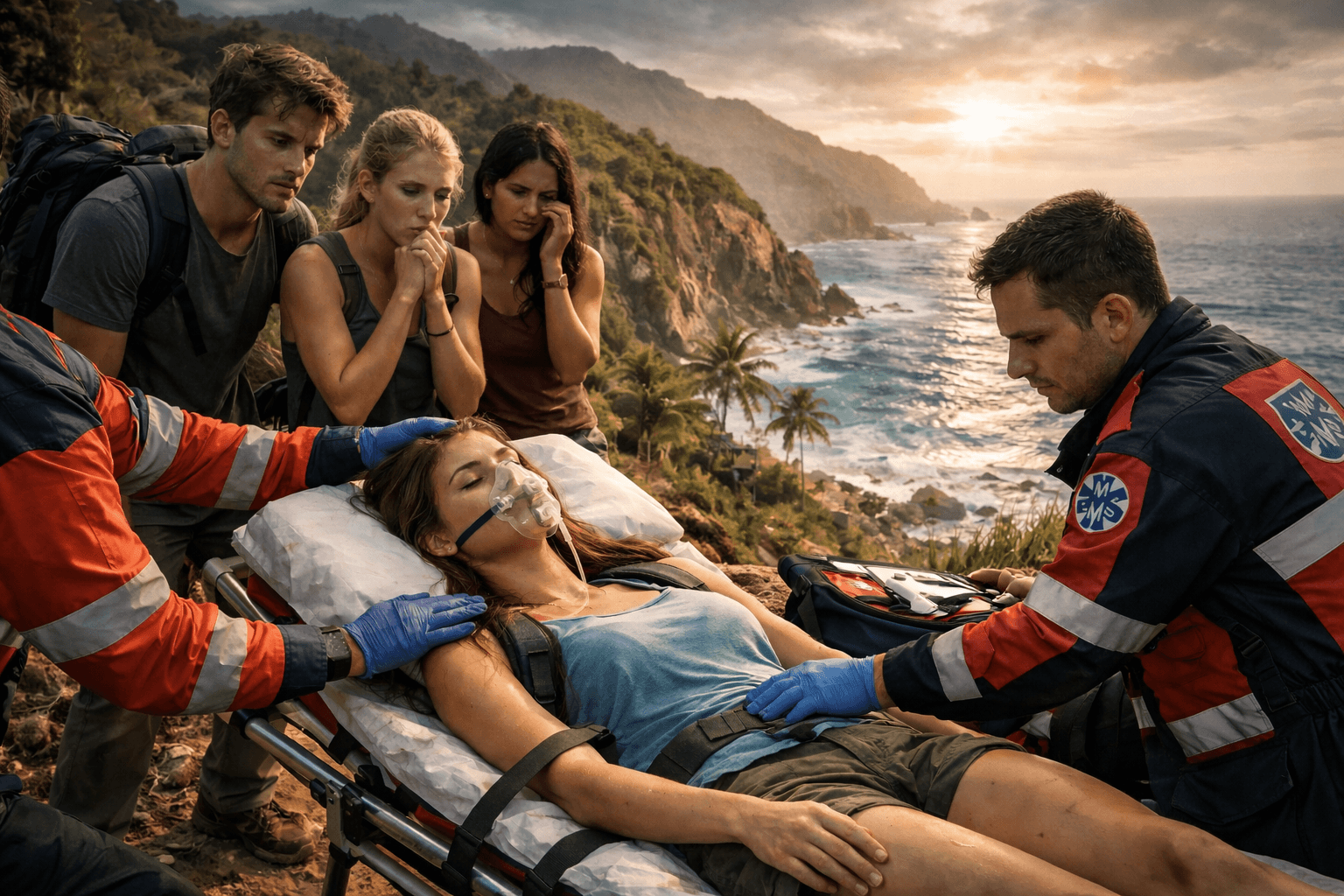
Collette was enjoying a relaxing break in Marrakesh, Morocco, when she suddenly collapsed by her hotel pool after suffering a major heart attack. Emergency services rushed her to a local hospital, where doctors immediately admitted her for urgent treatment.
While her life was saved, the crisis was far from over.
Collette had no valid travel insurance at the time of her trip — a gap that would soon turn her medical emergency into a severe financial and legal nightmare.
£22,000 in Medical Bills — and Nowhere to Turn
Within days, hospital charges reportedly rose to over £22,000 (approximately $28,000). For most families, this is an overwhelming amount — especially when payment is demanded immediately.
What made the situation even more distressing were reports that local authorities may detain her if the bill is not settled.
Legal experts warn that in some countries, hospitals are legally permitted to prevent patients from leaving until medical bills are cleared. This practice can leave travellers effectively trapped abroad, with limited support and few immediate solutions.
No Insurance Means No Protection
Without travel insurance, Collette is personally responsible for:
Emergency cardiac treatment
Hospitalisation costs
Ongoing medical care
Possible medical evacuation
Return travel to the UK
Travel insurance typically covers all of the above — including repatriation back home — but without it, families are often left scrambling under intense emotional and financial pressure.
Family Support and the Race Against Time
Collette’s family is now urgently trying to arrange funds and secure her safe return to the UK. In cases like this, families often rely on:
Crowdfunding campaigns
Emergency assistance from embassies or consulates
Help from charities or travel support organisations
However, these solutions can take time — time that patients in fragile medical condition may not have.
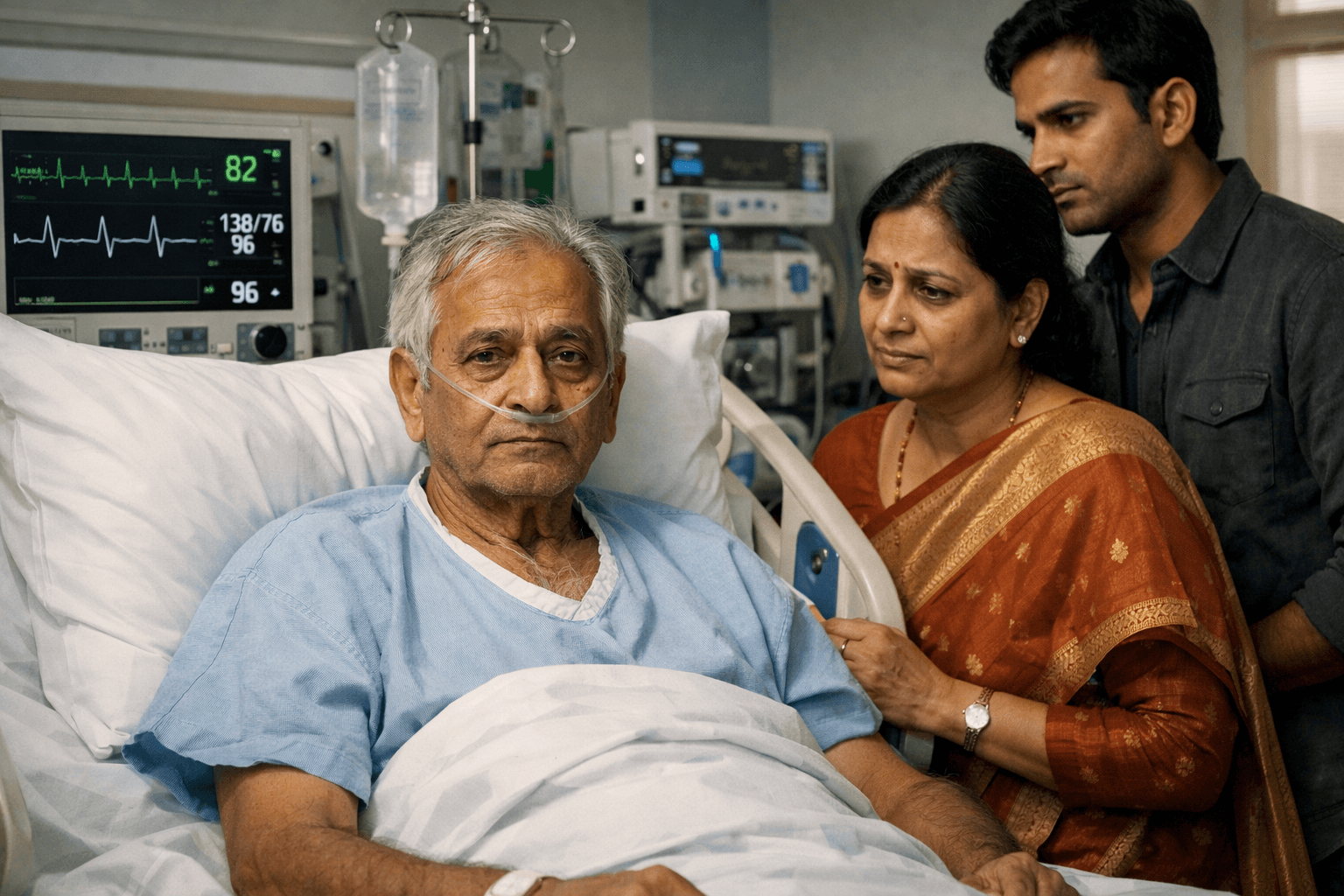
For now, Collette remains hospitalised far from home, while her loved ones navigate complex legal, medical, and financial challenges.
Key Lessons From Collette’s Experience
This case study highlights critical realities every international traveller should understand:
Medical Emergencies Don’t Wait for Preparation
Heart attacks, strokes, and sudden illnesses can occur without warning — even during relaxing holidays.
Medical Costs Abroad Can Be Shockingly High
Without insurance, even basic emergency treatment can lead to bills running into tens of thousands of pounds.
Legal Risks Exist in Some Countries
In certain destinations, unpaid medical bills may lead to detention or travel restrictions until payment is made.
Insurance Is Cheaper Than One Night in Hospital
A comprehensive travel insurance policy often costs less than a meal — yet can save families from lifelong debt.
Takeaway: Never Travel Without the Right Coverage
Collette Robinson’s experience is extreme — but it is not unique.
It is a powerful reminder that travel insurance is not an optional add-on. It is essential protection against medical emergencies, financial ruin, and being stranded far from home when you need help the most.
At Secure Safar, stories like these reinforce why proper travel and medical coverage should always be arranged before departure — not after a crisis begins.