Feb 11, 2026
What to Do During a Medical Emergency in the USA
Step-by-step guide on what visitors should do during a medical emergency in the USA.
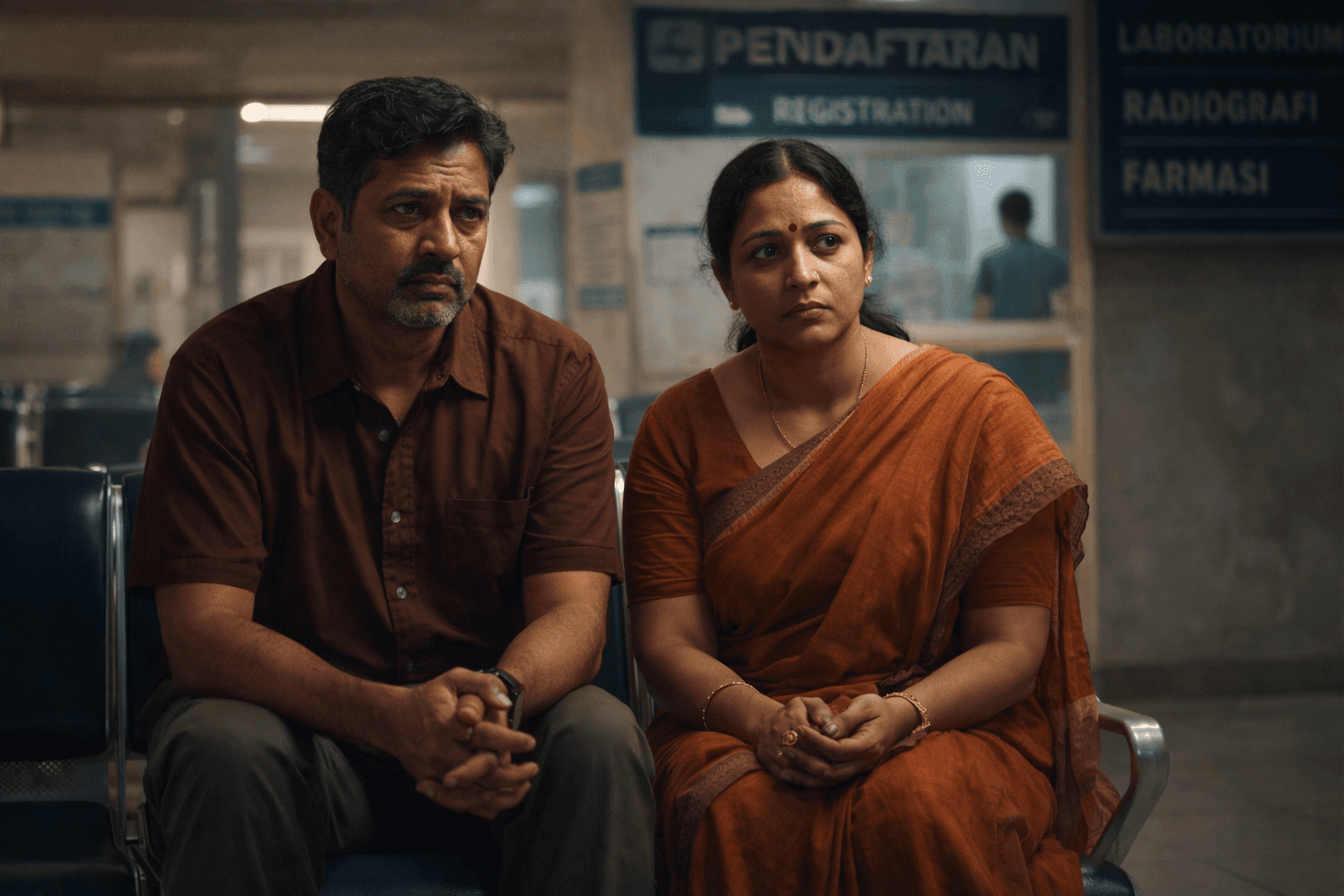
Travel is often planned with excitement and optimism — especially short leisure trips. But for Mr. & Mrs. Chatterjee, a middle-aged couple from India, a brief holiday to Bali turned into a deeply distressing experience marked by medical crisis, financial pressure, and mental trauma — all because they travelled without insurance.
Visitor Profile
Travellers: Mr. & Mrs. Chatterjee
Age Group: Middle-aged
Country of Origin: India
Destination: Bali, Indonesia
Purpose: Short self-funded leisure trip
Travel Insurance: ❌ Not taken
Assumption: “We’re healthy and the trip is short — savings will be enough”
The Medical Emergency: “Bali Belly” Turns Severe
While in Bali, Mrs. Chatterjee (mother-in-law) suddenly fell seriously ill after contracting severe food poisoning, commonly known as Bali Belly.
Her condition escalated rapidly:
Acute dehydration
High fever
Extreme weakness
Immediate need for hospitalisation
What initially seemed like a common travel illness quickly became a medical emergency.
Immediate Financial Harassment at the Hospital
Upon reaching a private hospital in Bali, the family faced a harsh reality.
Before treatment could begin:
Hospital staff demanded large upfront cash deposits
Daily payments were required to continue care
No deposits meant delays in treatment
Without a cashless travel insurance policy, the family had no choice but to pay repeatedly from their personal savings, watching expenses rise every single day.
No Insurance, No Support System
The absence of travel insurance created more than just financial problems.
The family faced:
No 24/7 assistance team to guide or negotiate
Language barriers while dealing with hospital staff
Confusion around treatment plans and billing
Immense mental stress and helplessness
Instead of focusing on recovery, the family was forced to fight administrative battles in a foreign country.
Stranded, Pressured, and Overwhelmed
As bills kept accumulating, the hospital applied continuous pressure to settle payments.
The family feared:
Running out of money abroad
Being unable to continue treatment
Not having funds left for return travel or emergencies
Being stranded in Indonesia with no exit plan
Costs escalated rapidly, threatening to wipe out savings meant for retirement, family needs, and emergencies back home.
Outcome: Seeking Help Beyond the Hospital
Eventually, the family was forced to:
Seek help through public forums
Reach out to the Indian Embassy for guidance and support
The experience left them emotionally drained, financially shaken, and traumatised — all from an illness that is usually considered “minor.”
Key Takeaways: The Hidden Hazards of Travelling Without Insurance
1️⃣ Upfront Cash Is Often Mandatory
In many countries — especially Southeast Asia and the US — hospitals may delay or deny treatment without upfront payment or insurance proof.
2️⃣ Minor Illnesses Can Destroy Savings
What starts as food poisoning can turn into bills large enough to cause long-term financial damage.
3️⃣ Repatriation Risks Are Massive
In serious cases, emergency air evacuation can cost $75,000–$300,000 (₹60 lakh–₹2.5 crore) — an amount most families cannot afford.
How Travel Insurance Prevents Such Harassment
In a similar incident (Case Study 1.1.2), a couple travelling in Europe had IFFCO Tokio Travel Insurance.
When a leg injury occurred, the insurance company provided:
✅ 24/7 Assistance – coordinated directly with the hospital
✅ Cashless Treatment – no upfront deposits demanded
✅ Administrative Support – handled paperwork and billing
✅ Mental Peace – travellers focused on recovery, not payments
That is the real value of travel insurance.
Final Takeaway
The Chatterjee family’s experience proves one painful truth:
Travel insurance doesn’t just pay hospital bills —
it protects dignity, mental peace, and financial security in a foreign land.
At Secure Safar, we believe no traveller should ever face medical harassment or fear being stranded simply because they chose to travel unprotected.