Feb 11, 2026
What to Do During a Medical Emergency in the USA
Step-by-step guide on what visitors should do during a medical emergency in the USA.
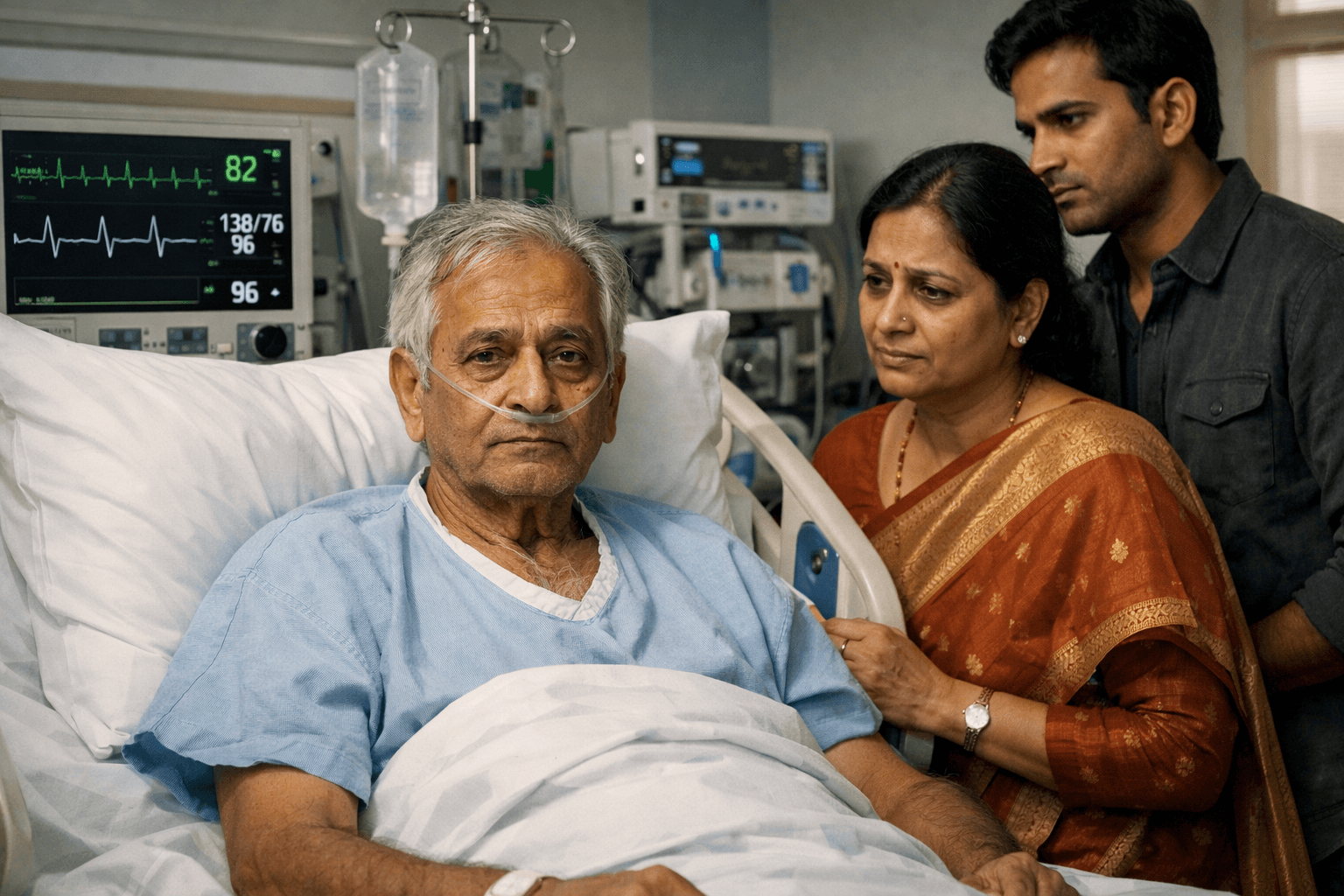
Travelling to the United States to visit family is often seen as a joyful milestone — especially for Indian parents visiting their children. But for one 58-year-old Indian visitor on a B2 visa, this dream trip turned into a financial and emotional catastrophe that could have been avoided with a simple insurance decision.
Visitor Profile
Age: 58
Nationality: Indian
Visa Type: B2 Visitor Visa
Purpose of Visit: Visiting son in the United States
Visitor Insurance: ❌ Not taken
Assumption Made: Indian health insurance would work in the U.S.
The Incident: A Medical Emergency Abroad
Within just 10 days of arrival in the U.S., the visitor experienced severe chest pain and collapsed at home. Recognizing the urgency, the family immediately called emergency services and rushed him to the nearest hospital.
In the United States, medical emergencies are treated immediately — but the costs begin accumulating from the first minute.
Treatment Provided
The hospital administered life-saving care, including:
Emergency ambulance services
ICU admission for 4 days
Angiography and stent placement
Continuous cardiac monitoring
Medications and follow-up care
The medical treatment saved his life — but the bill nearly destroyed the family financially.
The Total Medical Bill
💰 USD 178,000
(approximately ₹1.45 crore)
This amount covered hospital charges, procedures, ICU stay, physician fees, and emergency services — all billed at U.S. healthcare rates.
What Went Wrong?
This case highlights several critical misunderstandings:
❌ Indian Health Insurance Is Not Valid in the U.S.
Most Indian health insurance policies do not cover treatment outside India, especially in countries like the United States.
❌ No Visitor Insurance Was Purchased
Without a U.S. visitor medical insurance policy, the hospital classified the patient as self-pay and demanded full payment.
❌ No Insurance Support or Negotiation
With no insurer involved:
There was no cost negotiation
No claims assistance
No payment protection
The hospital reportedly warned of collection agency involvement, which can severely impact legal and financial standing in the U.S.
Final Outcome: The Hidden Cost of No Insurance
To settle the bills and avoid further consequences:
The family sold assets in India
The son took a personal loan in the U.S.
The family experienced extreme mental stress
There was a risk of visa overstay due to prolonged treatment and financial complications
What should have been a peaceful family visit turned into months of financial recovery.
The Shocking Reality: Insurance Cost vs Hospital Bill
👉 If visitor insurance had been taken:
Cost: $120–$150 for 3 months
Coverage: Most hospitalisation, ICU, angiography, and emergency expenses
Out-of-pocket cost: Minimal
A small decision before travel could have saved ₹1.45 crore and months of emotional trauma.
Key Takeaways for Indian Visitors to the U.S.
Medical emergencies can happen anytime, anywhere
Indian health policies do not work in the U.S.
U.S. hospitals demand immediate payment without insurance
Visitor medical insurance is mandatory protection, not an optional add-on
Why This Case Study Matters
At Secure Safar, we regularly encounter stories like this — families who never imagined a medical emergency abroad would change their lives forever.
Visitor insurance is not about fear.
It is about protecting savings, family, and peace of mind.
✔ Planning to Visit the U.S.?
Make sure visitor medical insurance is arranged before departure — because once an emergency happens, it’s already too late.