Feb 11, 2026
What to Do During a Medical Emergency in the USA
Step-by-step guide on what visitors should do during a medical emergency in the USA.
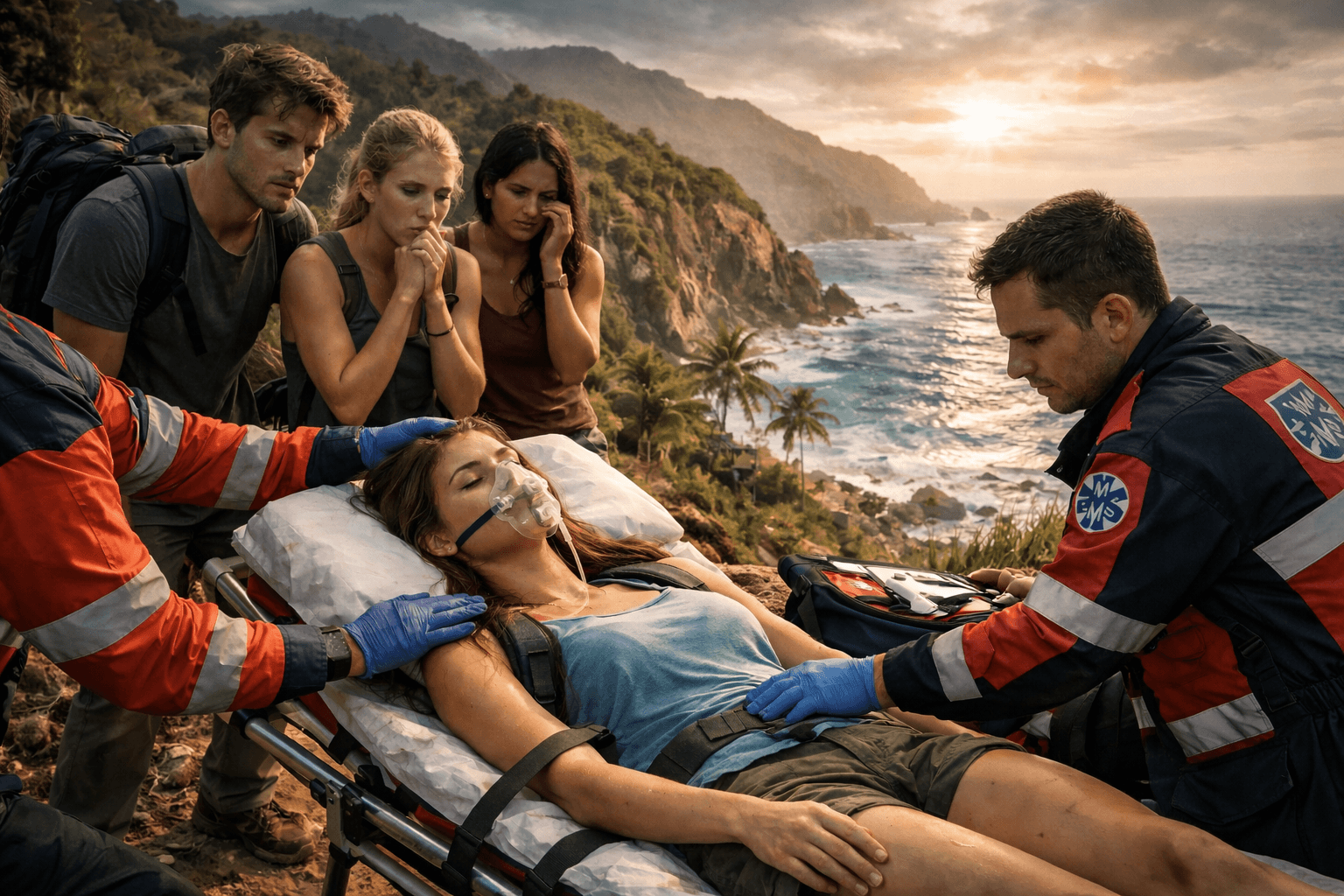
In December 2025, what began as a joyful vacation ended in a devastating medical emergency for 29-year-old ER nurse Kiara Diaz from Worcester, Massachusetts. Her story is a sobering reminder that accidents don’t discriminate — and that travelling without insurance can turn a crisis into a financial and emotional nightmare.
A Dream Vacation That Turned Into a Tragedy
Kiara was travelling with two close friends — fellow nursing school classmates — to Costa Rica, celebrating time off from their demanding ER jobs. On the final day of their trip, they decided to hike to El Miro, an unfinished mansion overlooking the Pacific Ocean, known for its scenic views and rugged terrain.
In a tragic moment, Kiara stepped backward, unaware of a hidden drop. She fell nearly 15 feet, landing hard on her back.
The consequences were immediate and severe:
Fractures to her spine at T11 and T12
A broken collarbone
Temporary paralysis of both legs
Her friends, both trained ER nurses, quickly stabilized her spine and remained with her for nearly two hours before emergency services arrived — a critical window that likely prevented further damage.
No Insurance, No Safety Net
What made this situation far worse was a single missing layer of protection: insurance.
Kiara did not have:
Travel insurance
Active health insurance
According to her family, she had cancelled her previous policy because it no longer covered a medication she relied on. She intended to purchase a new policy — but never did before leaving the U.S.
This decision, though unintentional, changed everything.
As a result:
All medical treatment in Costa Rica is out-of-pocket
There is no insurer to coordinate care or negotiate costs
Medical evacuation to the U.S. is complex and extremely expensive
Her family is managing overwhelming paperwork, payments, and logistics alone
Ongoing Medical and Logistical Struggles
Doctors in Costa Rica determined Kiara was not stable enough to fly home. She is currently undergoing spinal surgery and intensive medical treatment abroad. Her recovery will require:
Prolonged hospitalization
Rehabilitation therapy
Possible long-term neurological care
Her family has travelled to be by her side, but bringing her back to the United States for continued treatment will likely require a medical evacuation flight, which can cost tens of thousands of dollars — sometimes far more than the treatment itself.
Community Support and Fundraising Efforts
To help cover mounting costs, a GoFundMe campaign was launched by a close friend. Thousands have contributed, but the funds raised so far fall well short of what is needed.
Supporters describe Kiara as someone who spent her career saving lives in emergency rooms — and now, heartbreakingly, needs that same support herself.
Her story highlights a painful reality: crowdfunding is not insurance, and in major medical emergencies, it is rarely enough.
Critical Lessons From Kiara’s Story
This case study is not just tragic — it is educational.
1. Accidents Can Happen to Anyone
Even trained medical professionals in peak health can face life-changing emergencies while travelling.
2. No Insurance Means Total Financial Exposure
Without travel or health insurance, every cost — surgery, hospital stay, medication, evacuation — must be paid personally.
3. Medical Evacuation Is the Hidden Risk
Airlifting a patient back to their home country can cost ₹30–80 lakh ($40,000–$100,000+), often exceeding overseas treatment costs.
4. Insurance Is Planning, Not Fear
Having travel or visitor medical insurance isn’t pessimism — it’s preparedness. One policy can protect savings, family, and peace of mind.
Why This Story Matters
Kiara Diaz’s experience is a powerful reminder that travel insurance is not optional — it’s essential. One accident, one moment, can change everything.
At Secure Safar, stories like these are exactly why we exist:
to ensure travellers are protected before they need help — not after it’s too late.